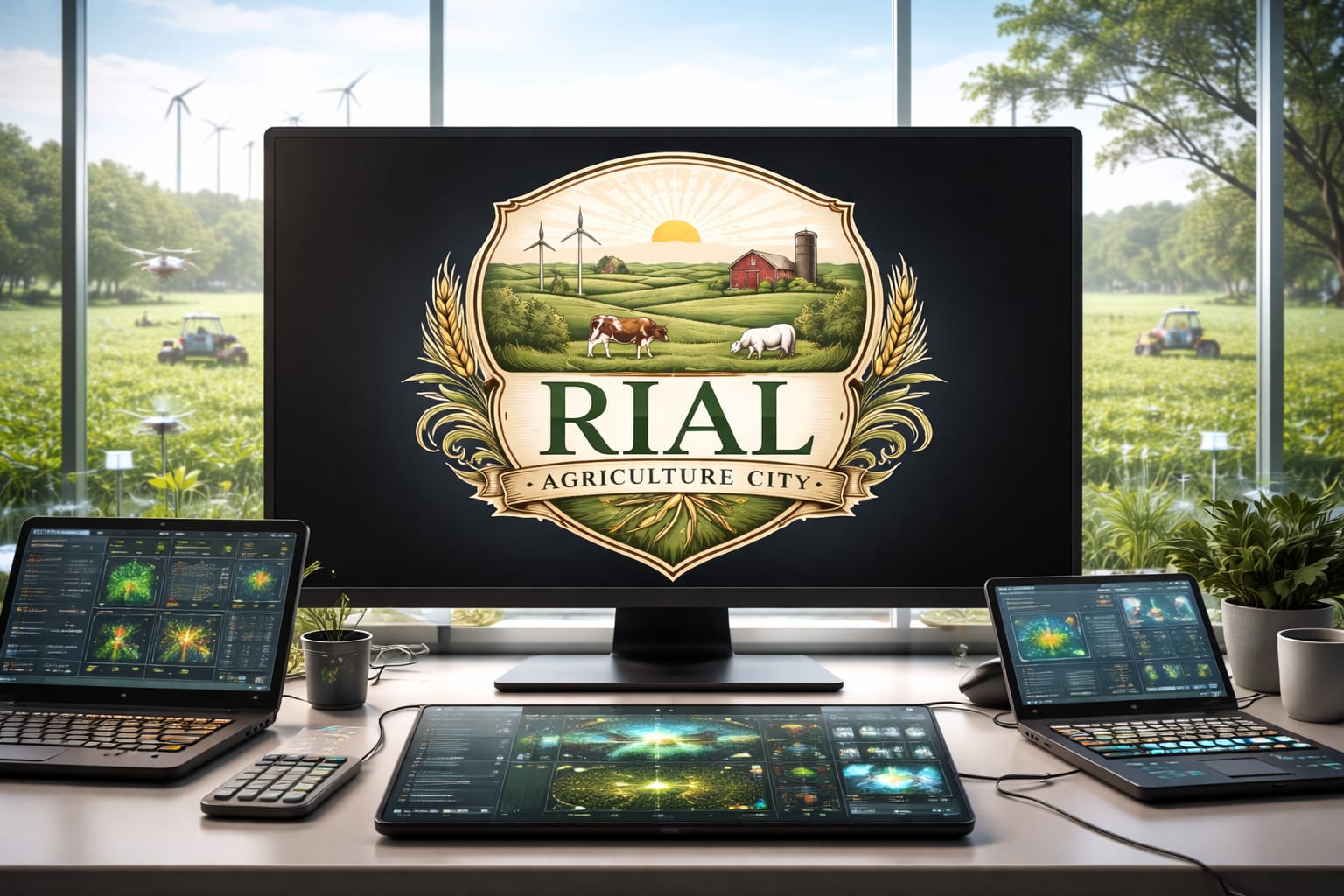
Rial Agriculture City (RAC) is presented as the proposed pilot project of the Global Agriculture Cities Program, serving as a practical demonstration of the vision embodied in the Global Food Security Initiative 2050. The project is designed to develop an integrated agricultural ecosystem that combines agricultural production, food industries, modern infrastructure, innovation, and sustainability within a scalable and adaptable development model.
Rather than being intended exclusively for a single country, Rial Agriculture City is envisioned as a pilot concept that can be adapted and implemented in different countries according to their national priorities, natural resources, development strategies, and applicable legal and regulatory frameworks.
The Project seeks to:
 Crop Production
Diversified agricultural production with modern agronomy and precision farming.
 Livestock production
Livestock and poultry farming aligned with international Halal certification standards.
 Aquaculture
Integrated fish and seafood production systems.
 Food Processing
Value-added food manufacturing and packaging aligned with export standards.
 Logistics Infrastructure
Cold chain, warehousing, transportation, and distribution network.
 Renewable Energy
 Integrated renewable energy systems supporting operational sustainability.
Rial Agriculture City represents a strategic response to global challenges including rising food demand, climate change, supply chain disruptions, and population growth. The project aims to increase food production capacity and improve supply chain efficiency, contributing to market stability and food security.
To develop an integrated agricultural ecosystem utilizing advanced farming technologies and sustainable production systems that enhance productivity while ensuring environmental and economic sustainability.
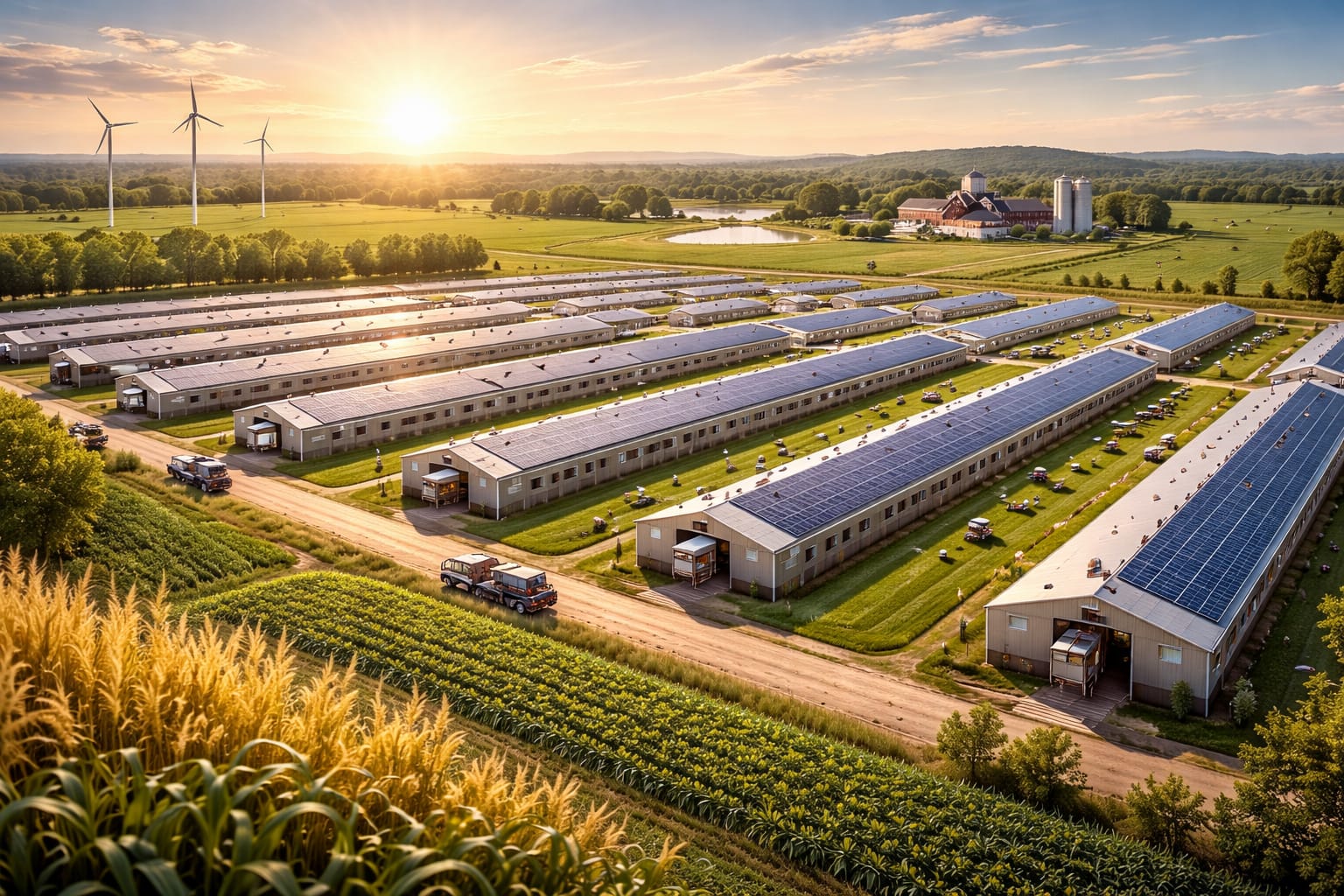
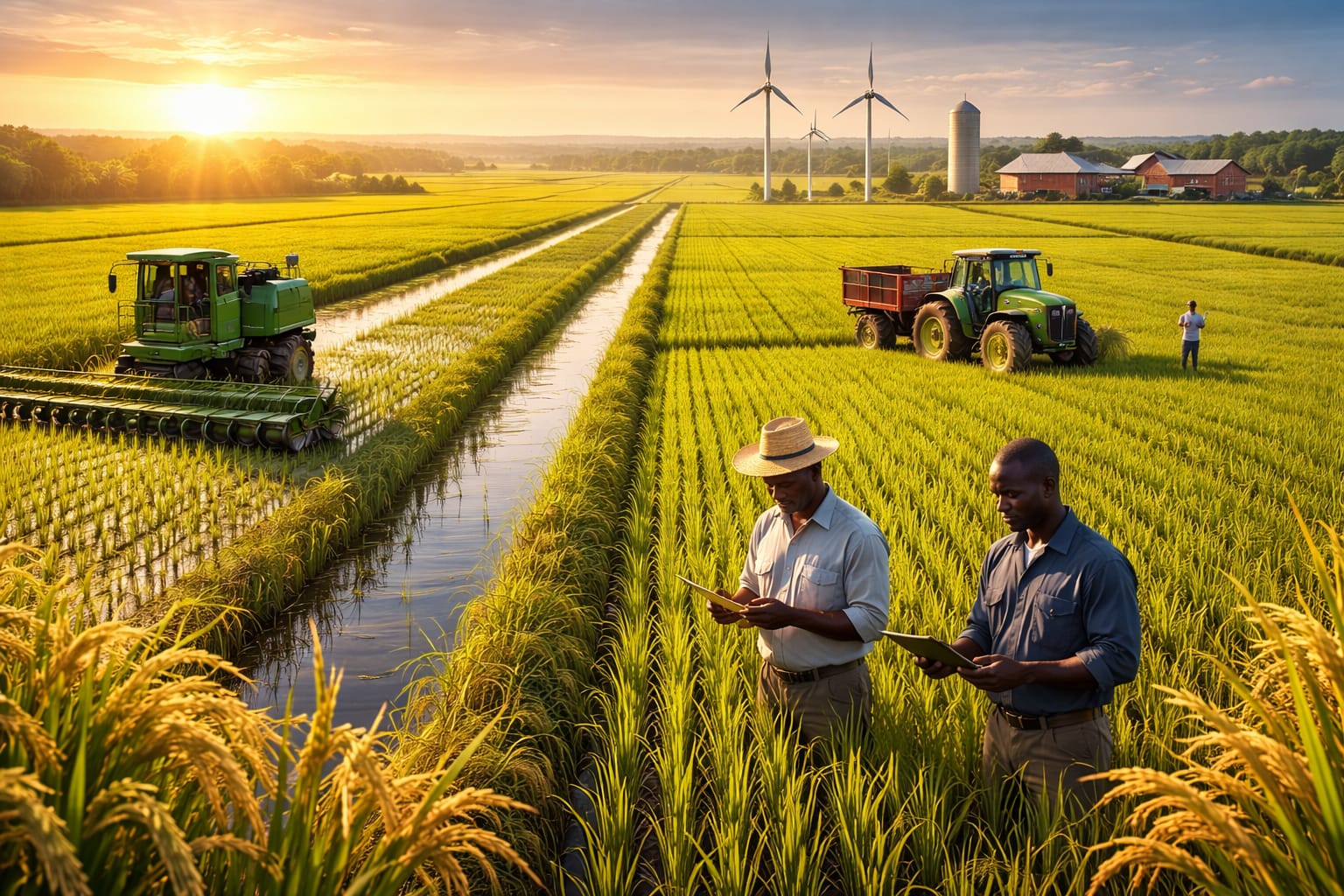
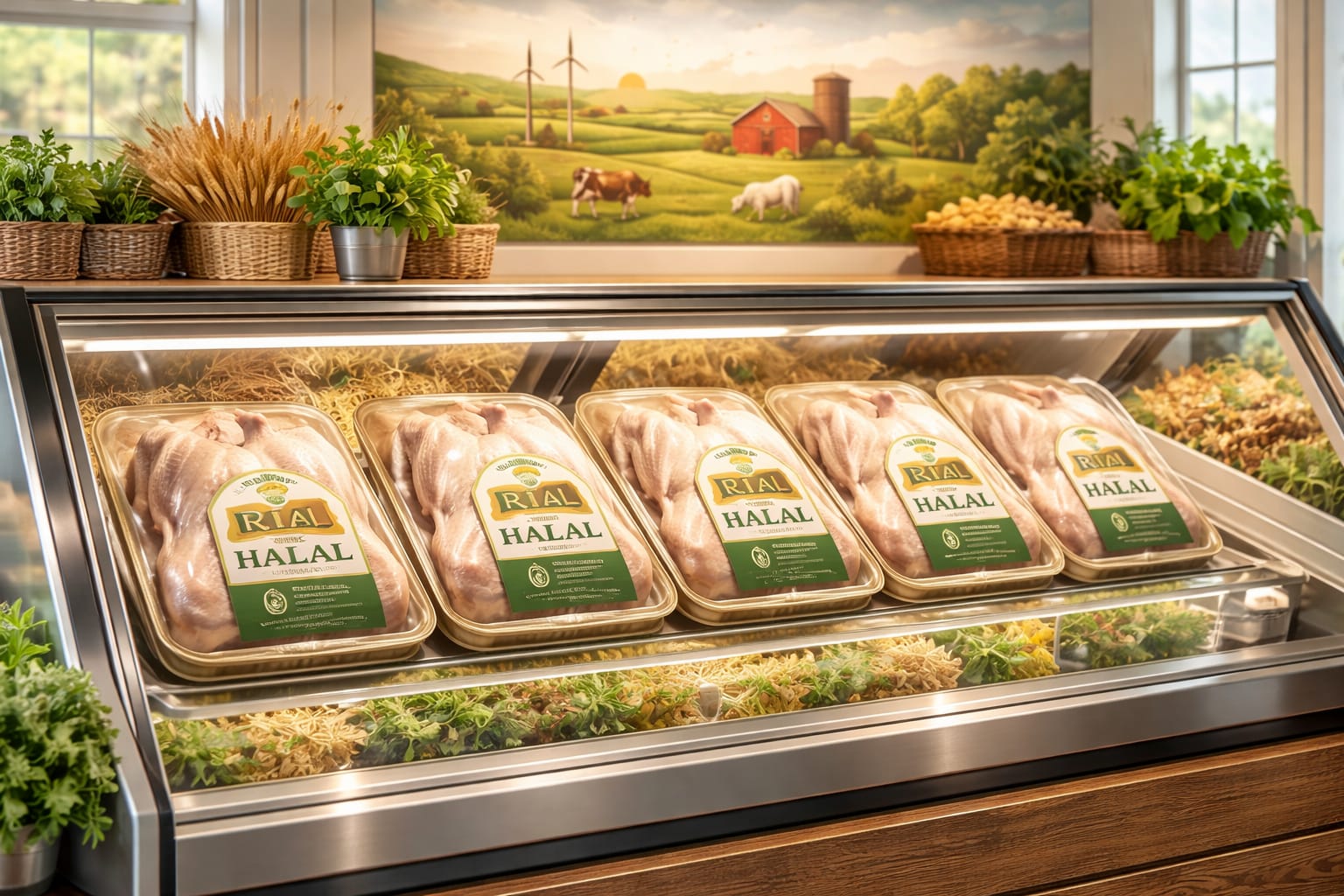
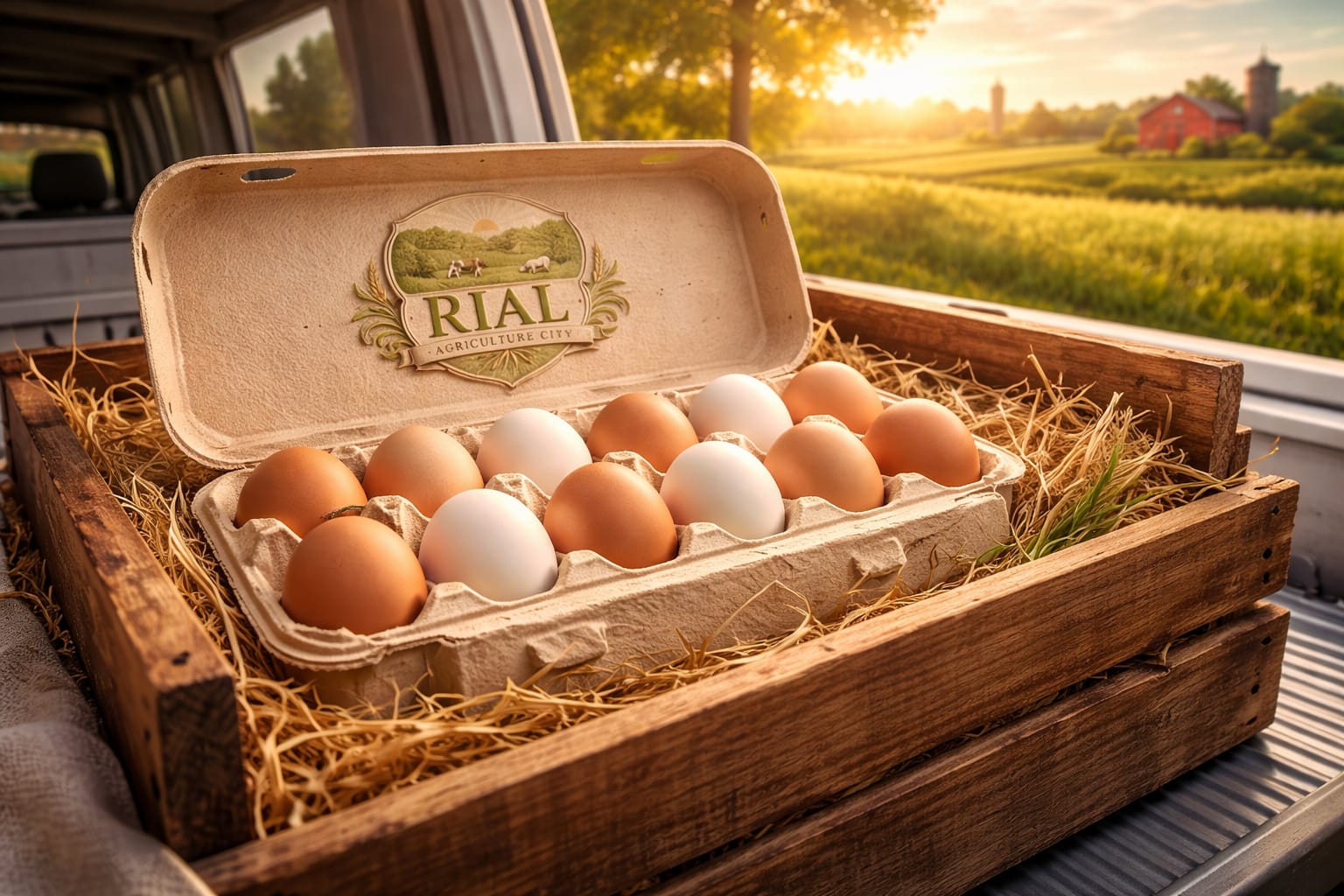
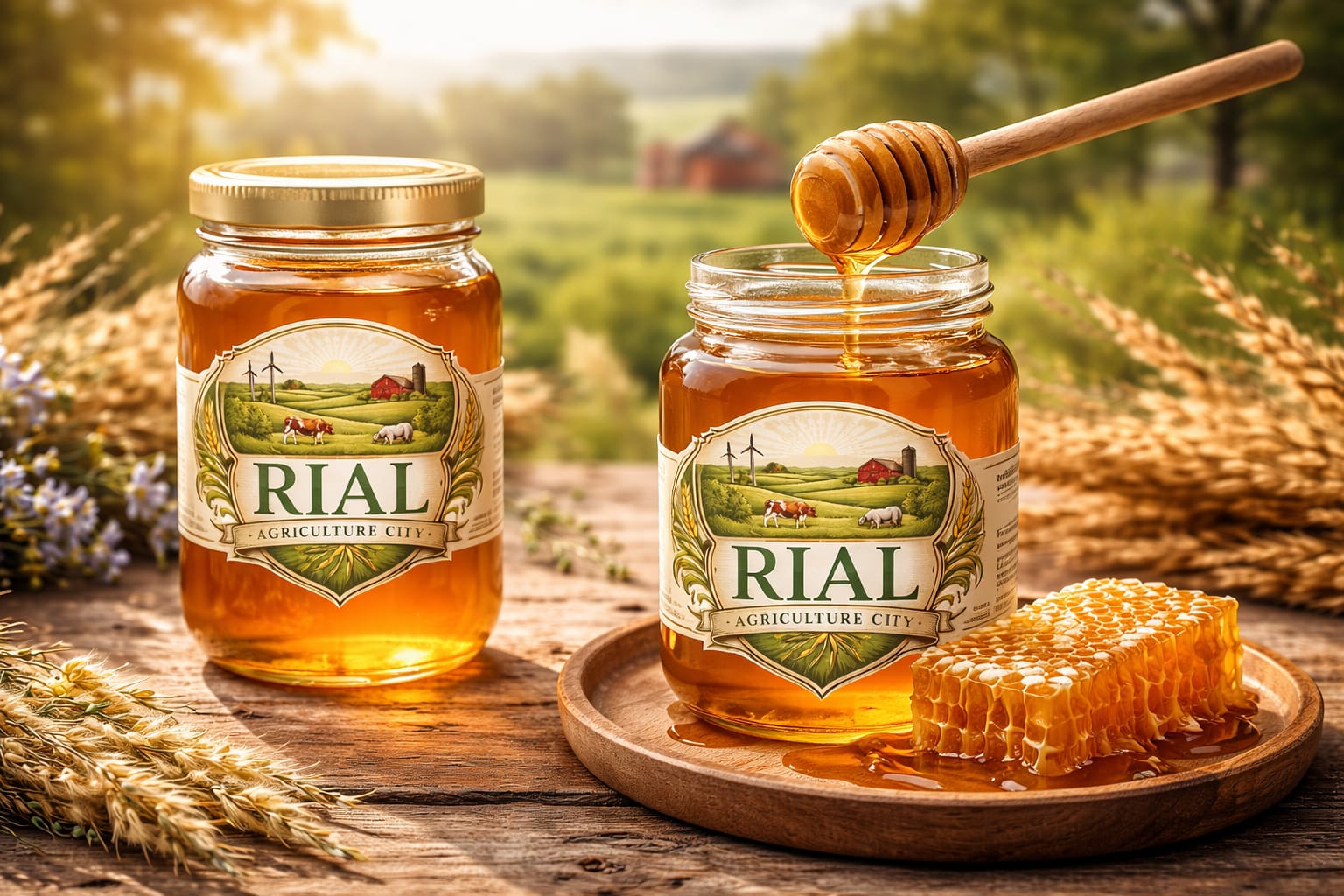
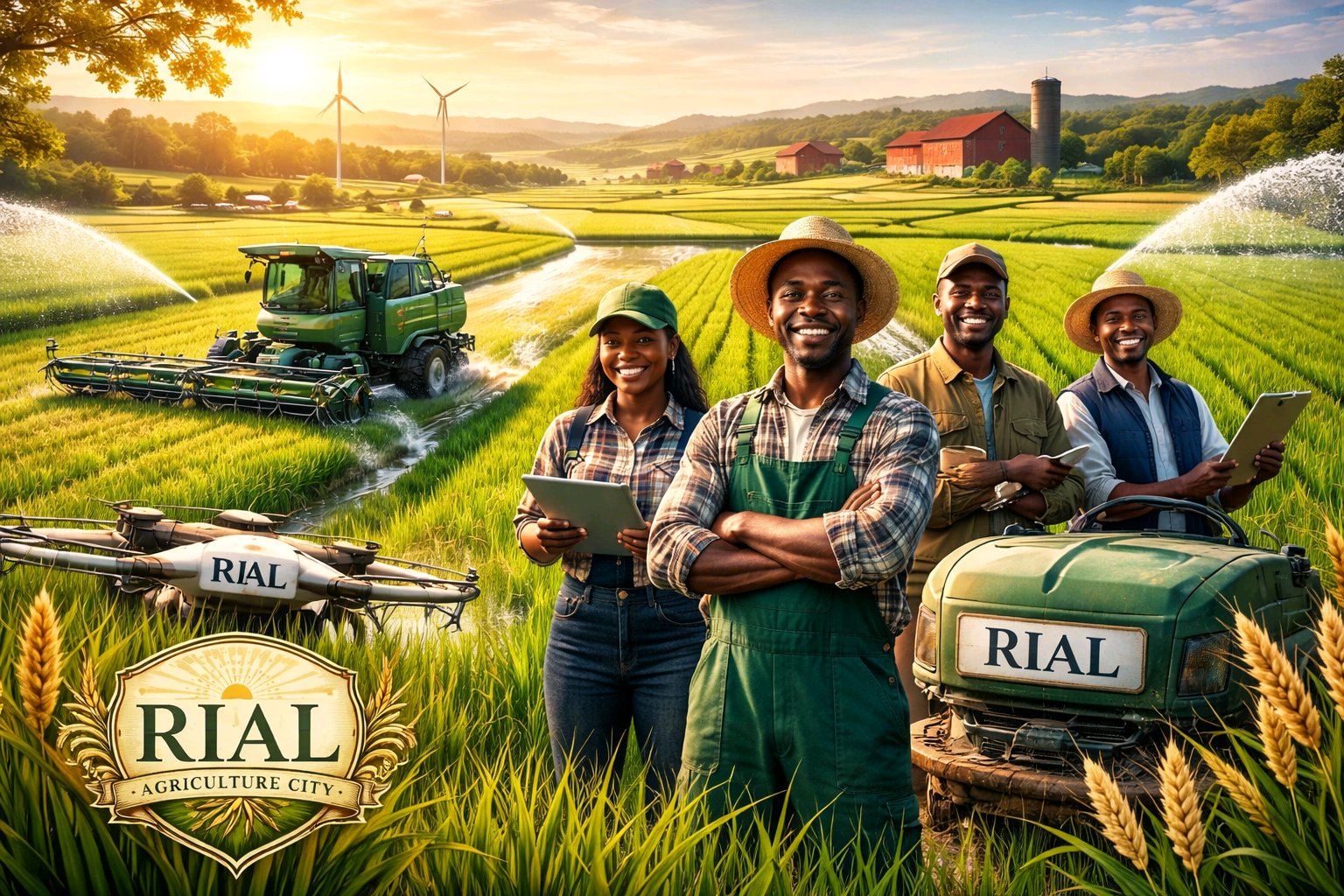
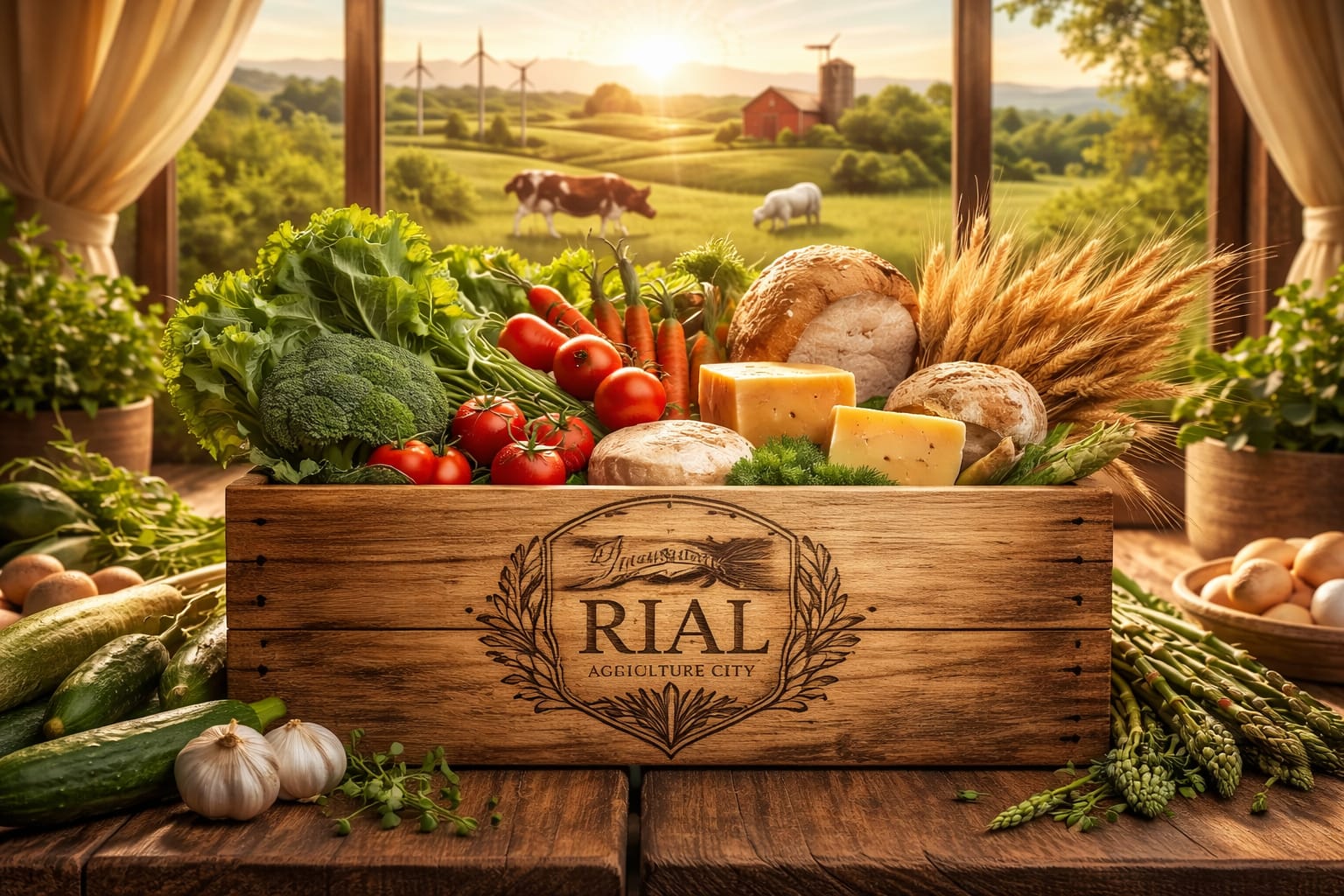
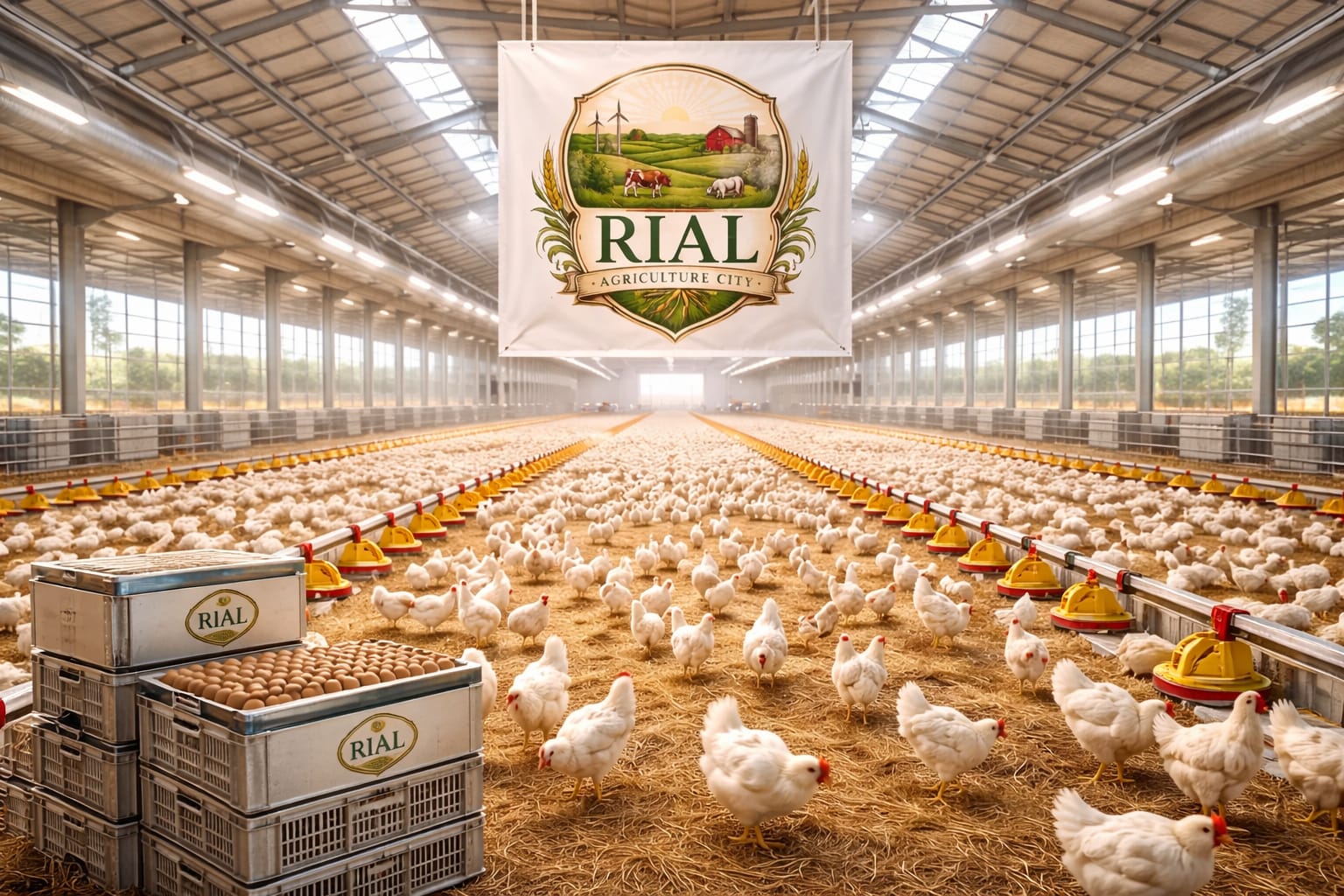
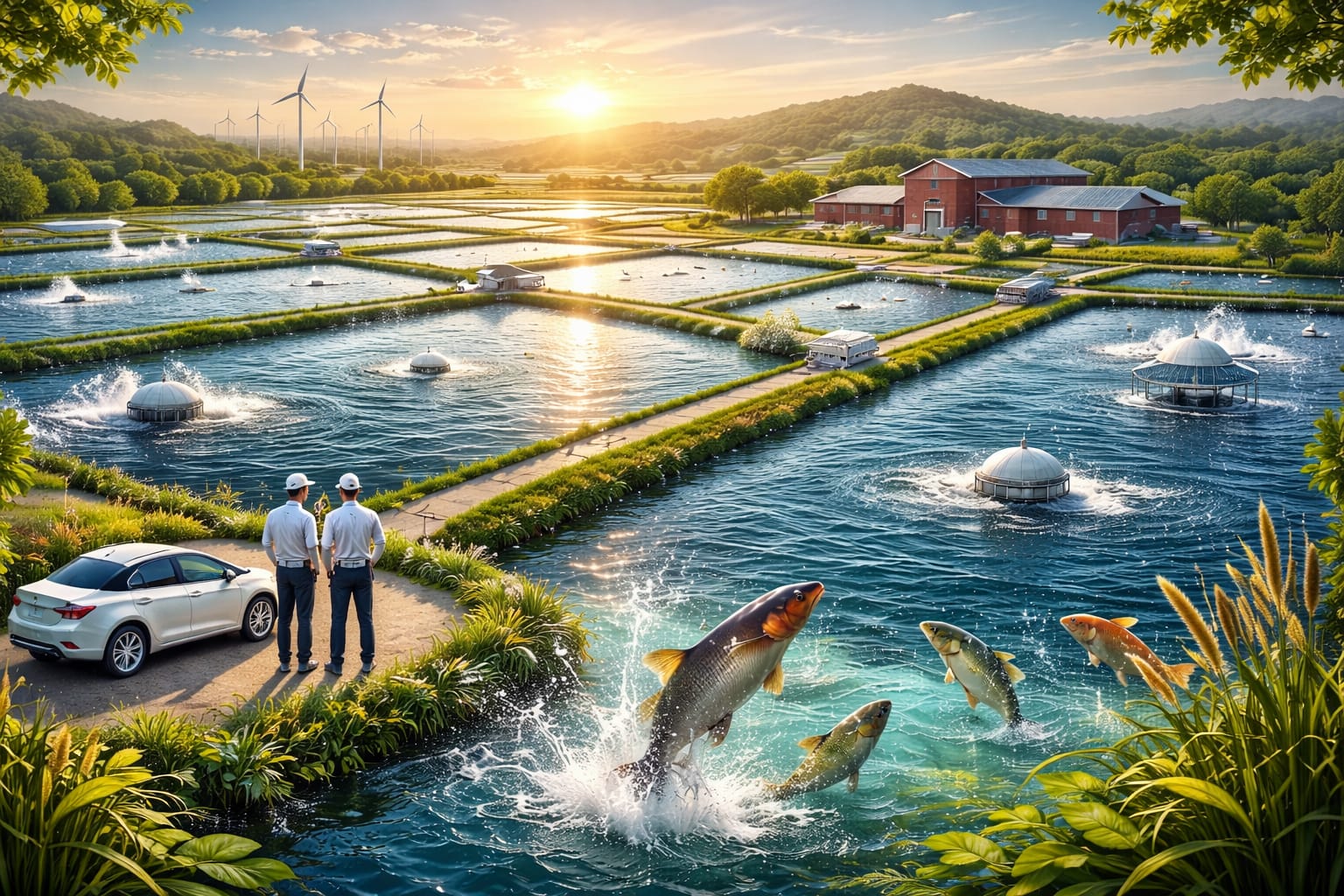
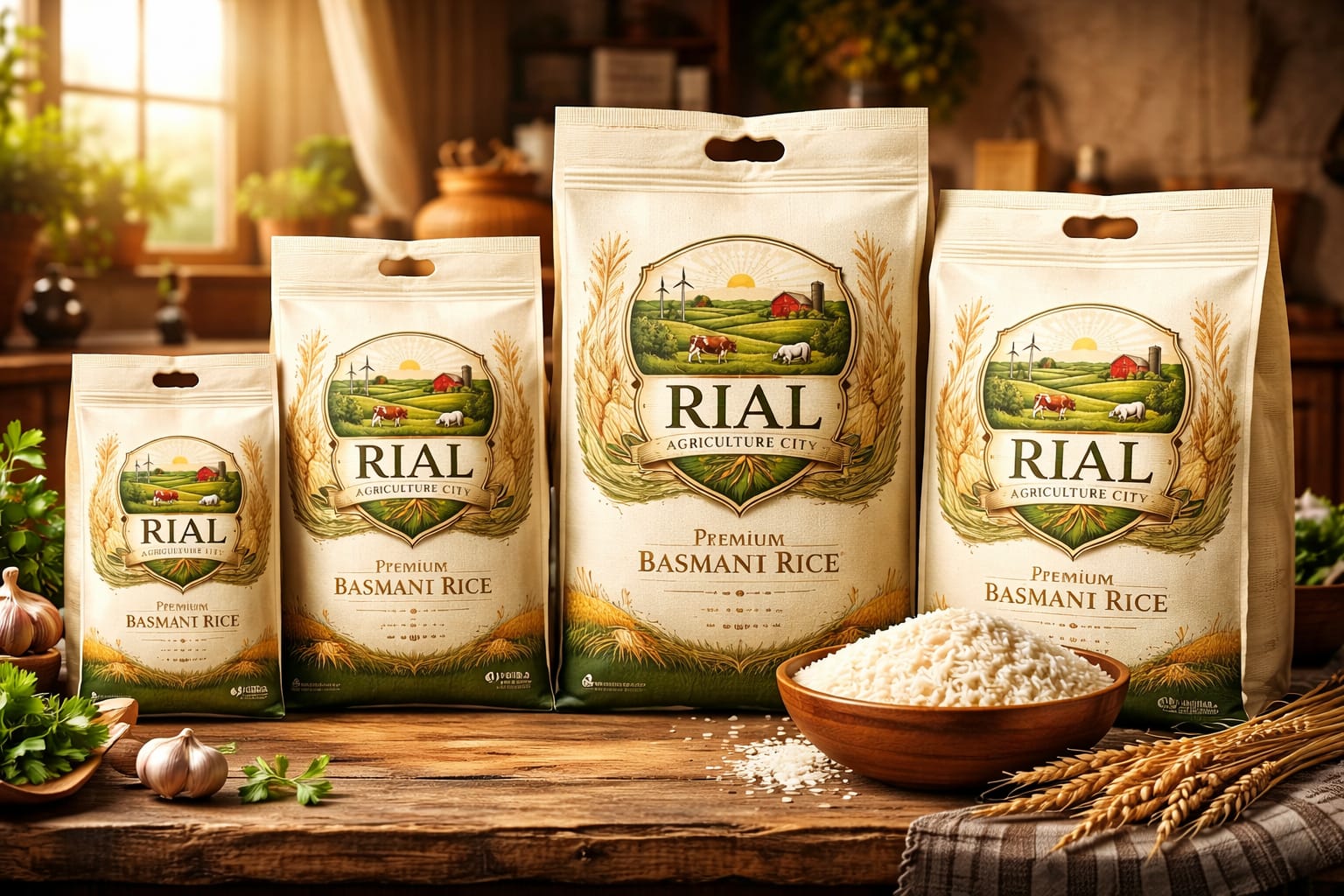
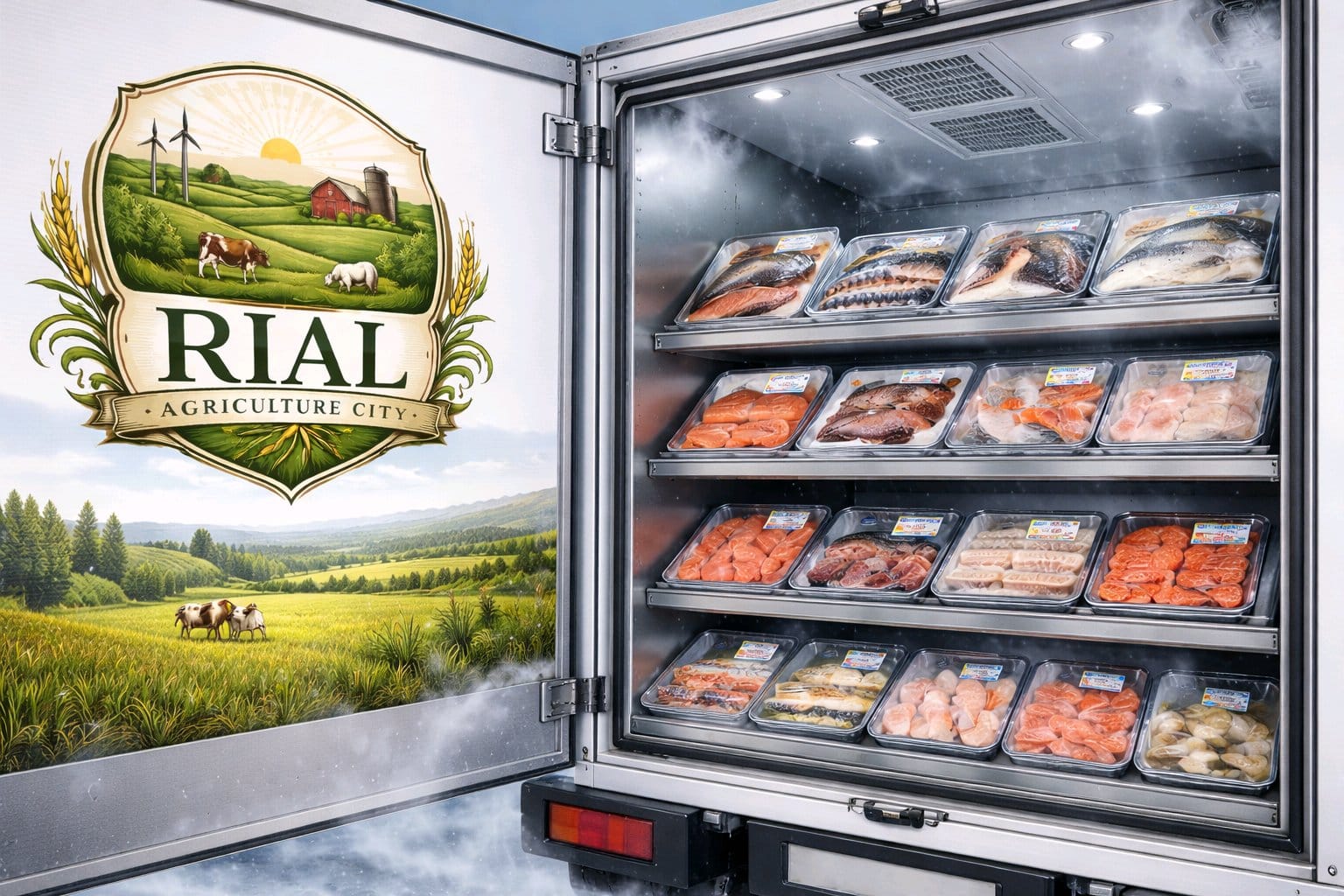
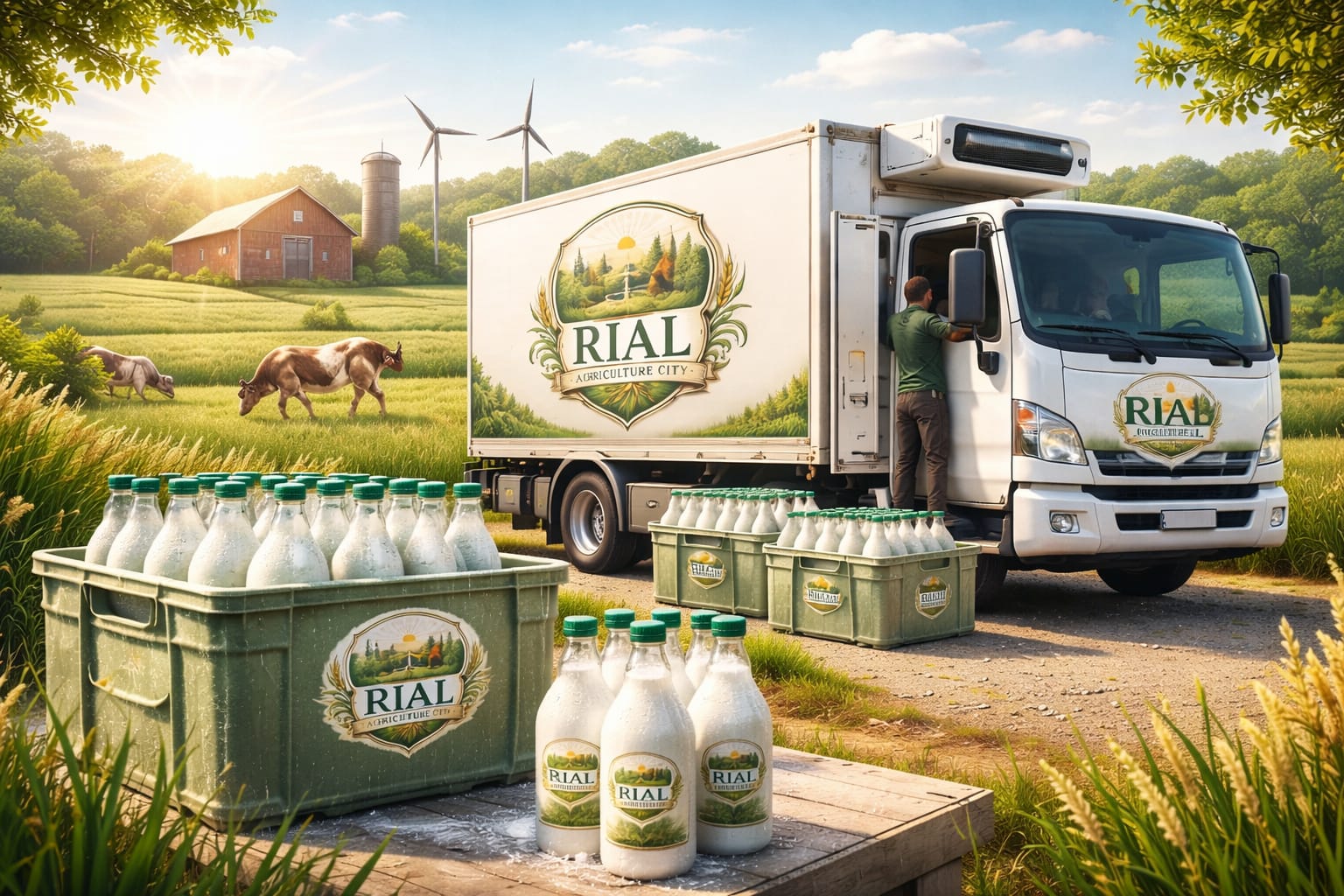
The project integrates modern agricultural production systems designed to enhance efficiency, productivity, and responsible resource management aligned with long-term food security priorities.
RAC integrates logistics systems, storage facilities, transport infrastructure, and support services aligned with modern food production requirements.
Rial Agriculture City aligns with ESG principles supporting responsible resource management, environmental balance, and long-term operational sustainability.

Direct & Indirect

The Project follows a phased implementation model that includes:
Increasing food production
More efficient use of natural resources
Stronger national and regional food security
Growth of food processing industries
Attraction of agricultural investment
Technology transfer and knowledge sharing
Sustainable economic and social development
A replicable model for implementation in other countries