The world is facing unprecedented food security challenges driven by climate change, disruptions to global supply chains, pressure on natural resources, and continuously growing demand for food. At the same time, sustainable agriculture has become one of the world's most strategic investment sectors, offering long-term opportunities to support economic development, strengthen food systems, and improve global resilience.
World Agriculture Group (WAG) is developing an integrated institutional investment ecosystem that combines global initiatives, agricultural development programs, international partnerships, and sustainable financing solutions to support global food security and responsible long-term investment.
World Agriculture Group believes that large-scale agricultural development depends on strong, long-term partnerships with governments, financial institutions, investors, and development organizations.
Supporting national food security and sustainable agricultural development.
Providing long-term strategic investment capital.
Supporting scalable agricultural investment opportunities.
Financing sustainable agricultural and infrastructure projects.
Developing innovative financing solutions.
Enhancing economic and social development impact
Strengthening agricultural value chains and industrial collaboration.

World Agriculture Group provides governments, sovereign wealth funds, institutional investors, financial institutions, and strategic partners with access to large-scale agricultural investment opportunities designed to strengthen food security, sustainable agriculture, and resilient infrastructure.
All initiatives are developed in accordance with the principles of sound corporate governance, sustainability, transparency, and responsible risk management to support long-term partnerships and sustainable value creation.
World Agriculture Group is an international institutional platform dedicated to developing integrated agricultural ecosystems that enhance global food security through responsible investment, sustainable agriculture, modern infrastructure, innovation, and international cooperation.
The Group seeks to establish strategic partnerships with governments, sovereign wealth funds, development banks, financial institutions, and private-sector investors to develop scalable projects capable of generating long-term economic, environmental, and social value.
Food security has become one of the highest global priorities as countries seek to strengthen agricultural production, improve supply chain resilience, promote sustainable development, and build food systems capable of addressing today's challenges while preparing for future needs.
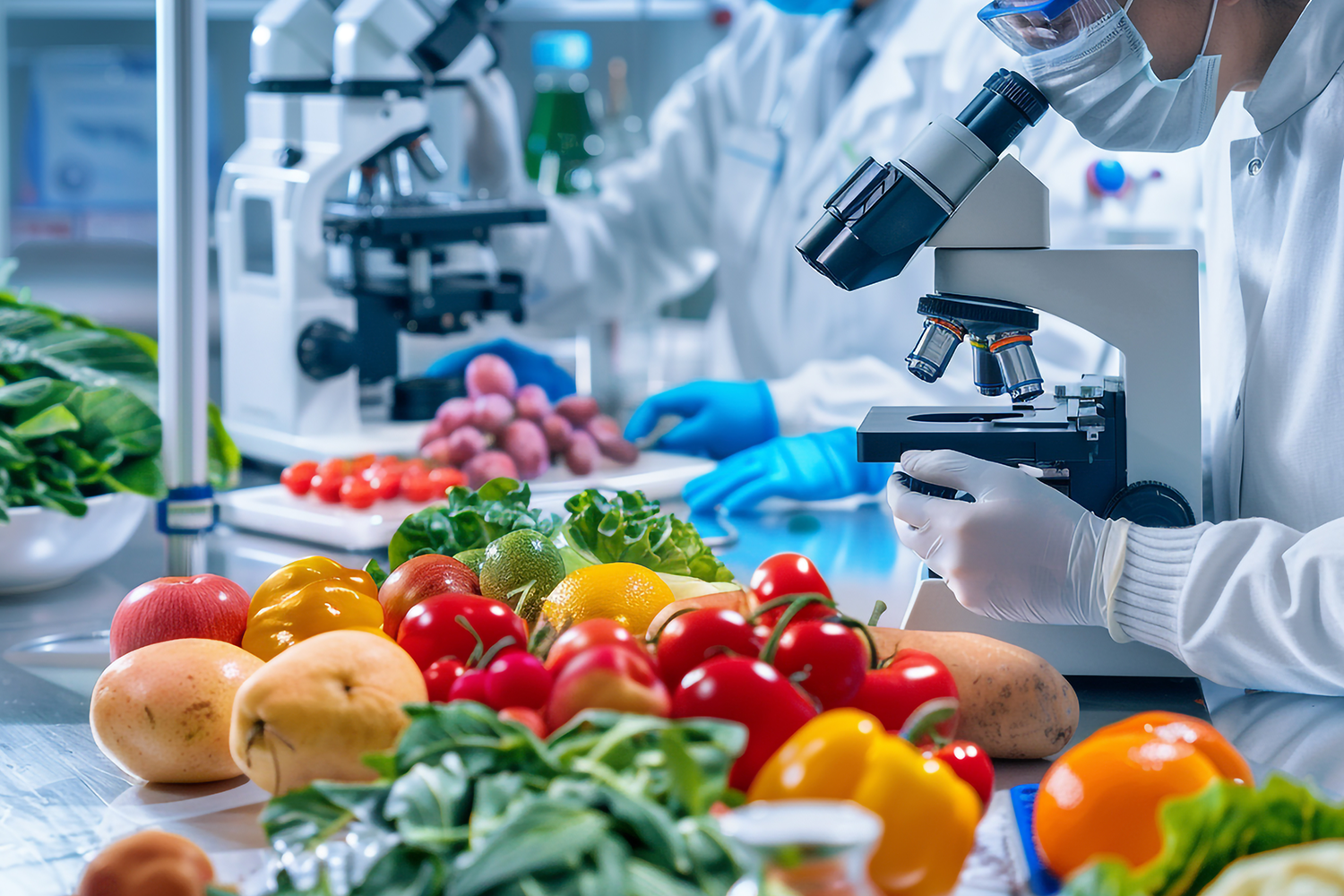
Growing global demand for food
Increasing need for resilient food supply chains
Expansion of sustainable agricultural investment
Rapid technological advancement in agriculture
Food security as a national and international strategic priority
Growing emphasis on ESG and sustainable finance
Expansion of public-private partnerships
Significant opportunities across emerging markets